
Cost of Vapor Barrier Installation in Washington County, MN
Vapor barrier installation costs in Washington County, MN, can vary depending on the scope of the project, the types of materials used, labor requirements, and specific site conditions. Factors such as the size of the area to be covered and the complexity of the installation process influence overall pricing. It is recommended to obtain multiple estimates to compare options and understand the typical range for similar projects in the area.
Final pricing for vapor barrier installation is often influenced by the chosen materials, the accessibility of the site, and any additional work needed to prepare the space. Since costs can fluctuate based on these variables, consulting with local professionals can help clarify the expected expenses and assist in planning a budget that aligns with the project’s scope and requirements.
Estimated Cost Range
$1,200 - $2,800 (smaller scope)
$3,000 - $6,500 (larger scope)
| Project Type | Typical Range |
|---|---|
| Basic Vapor Barrier Installation | $1,200 - $2,800 |
| Vapor Barrier with Insulation | $2,500 - $4,500 |
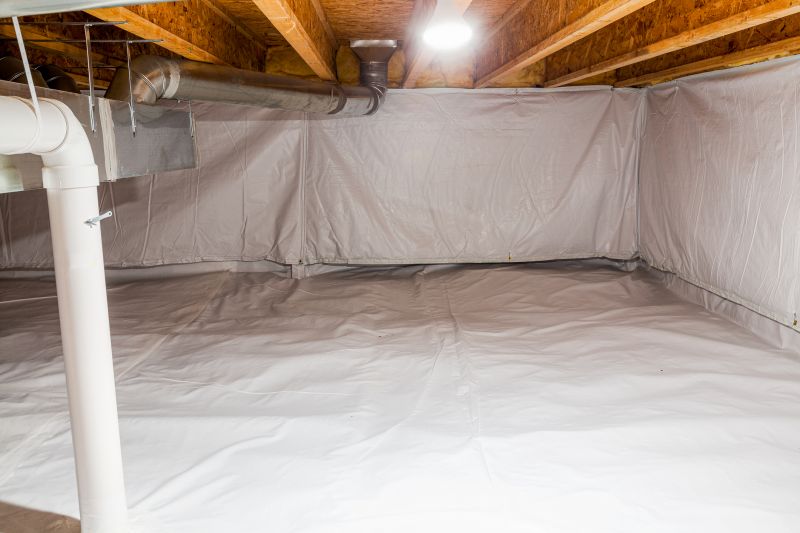
| Vapor Barrier for Crawl Space | $1,500 - $3,200 |
| Vapor Barrier in Basement | $3,000 - $6,000 |
| Vapor Barrier with Moisture Control | $4,000 - $6,500 |
Key Cost Factors
Vapor barrier installation is an important step in managing moisture and improving energy efficiency in Washington County, MN homes. Proper installation helps prevent moisture buildup in floors and walls, contributing to a healthier indoor environment. Understanding typical project considerations can assist in planning and budgeting for this service.
- Materials: Common vapor barriers include polyethylene sheets, typically 6-mil or 10-mil thickness, suitable for residential applications in Minnesota’s climate.
- Size and Scope: Projects may cover crawl spaces, basements, or under concrete slabs, with sizes varying from small areas to entire building footprints.
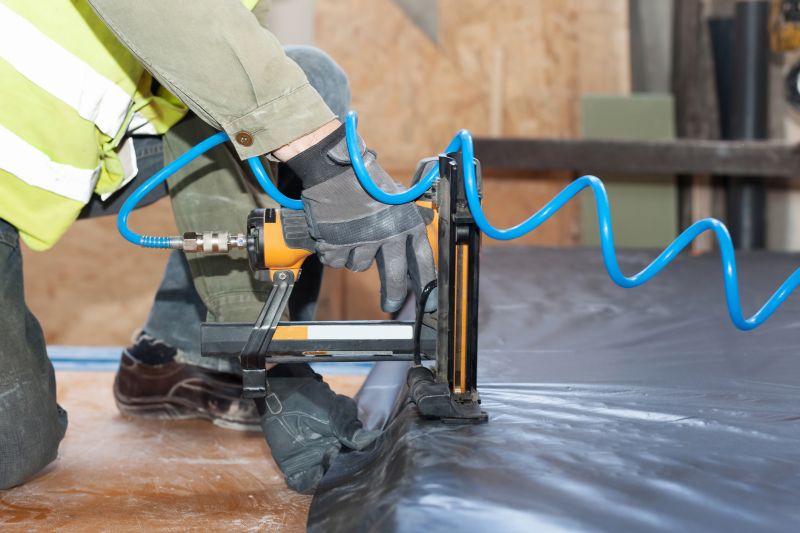
- Labor Complexity: Installation requires careful sealing and overlapping of seams, often involving access to confined spaces, which can influence labor time and complexity.
- Permitting: Local building codes may require permits or inspections for vapor barrier installation, especially in new construction or major renovations.
- Additional Considerations: Optional features such as vapor retarders, insulation, or drainage mats may be added to enhance performance and durability.