Get Vapor Barrier Installation in Dakota County, MN
Vapor barrier installation services help property owners in Dakota County, MN, and nearby areas prevent moisture problems in crawl spaces, basements, and other enclosed areas.
Vapor barrier installation services are essential for property owners in Dakota County, MN looking to enhance the durability and functionality of their buildings. Properly installed vapor barriers help prevent moisture from seeping into walls, floors, and crawl spaces, which can lead to structural damage and mold growth over time. By controlling moisture levels, property owners can maintain a safer environment and protect their investments from issues caused by excess humidity, especially during Minnesota’s humid seasons.
In addition to safeguarding the structure, vapor barrier installation offers benefits that contribute to overall comfort and curb appeal. Reducing moisture infiltration can lead to improved indoor air quality and a more consistent indoor climate, making living and working spaces more comfortable. Furthermore, a well-maintained vapor barrier can lower ongoing maintenance needs by preventing damage caused by moisture, while also enhancing the appearance of a property’s foundation or basement, potentially increasing its curb appeal. Local service providers can help ensure the work is performed effectively to meet these practical goals.
- Vapor Barrier Installation Services - homeowners may need vapor barriers installed to prevent moisture buildup in basements or crawl spaces in Dakota County, MN and surrounding areas.
- Basement or crawl space renovation projects often require vapor barrier installation to control humidity and improve indoor air quality.
- New construction homes in the Twin Cities region might include vapor barriers as part of the foundation moisture management process.
- Remodeling or finishing a basement can necessitate vapor barrier installation to protect against mold and structural damage.
- Commercial properties in nearby areas may require vapor barriers during building upgrades to meet moisture control standards.
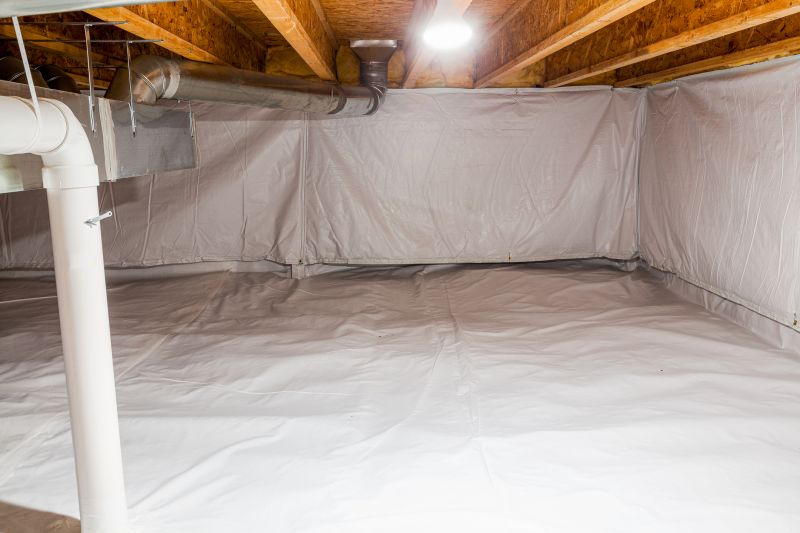
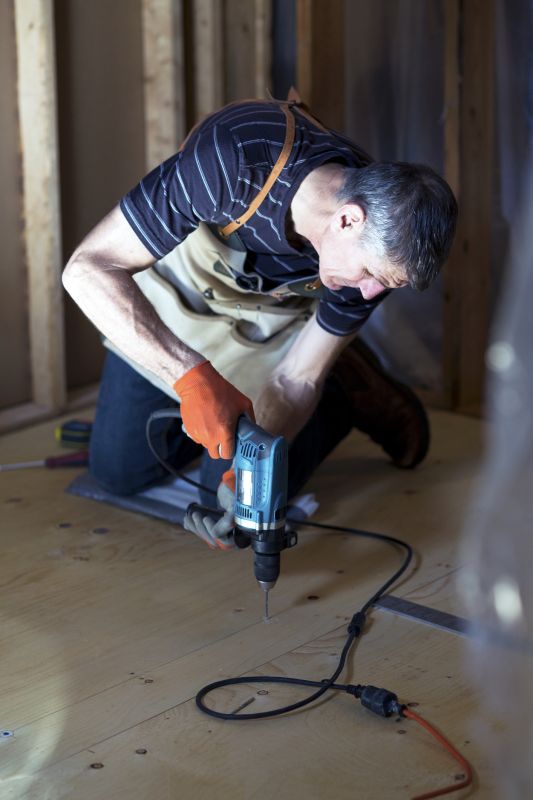
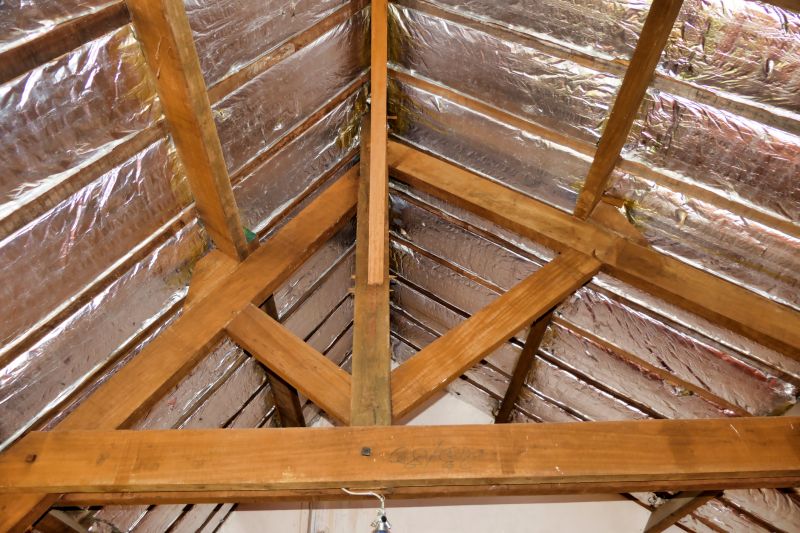
Vapor barrier installation services involve the placement of a specialized membrane to prevent moisture from passing through floors, walls, or ceilings, particularly in areas prone to dampness such as basements, crawl spaces, and attics. These barriers are typically made from materials like polyethylene sheeting or foil-backed products, which are installed beneath flooring or along foundation walls. The process aims to create a moisture-resistant layer that inhibits the transfer of vapor, helping to maintain a dry environment within the property. Proper installation ensures that moisture does not accumulate, which can lead to structural issues or indoor air quality concerns.
This service addresses common problems associated with excess moisture, including mold growth, wood rot, and increased humidity levels. Moisture infiltration can cause damage to building materials and compromise the integrity of the property over time. Additionally, high humidity levels can contribute to discomfort and indoor air quality issues, such as musty odors or respiratory irritants. Vapor barriers help to mitigate these issues by controlling moisture migration, thereby protecting both the building’s structure and its occupants’ health.
Properties that typically benefit from vapor barrier installation include residential homes, especially those with basements or crawl spaces, as well as commercial buildings and warehouses. New construction projects often incorporate vapor barriers as part of the foundational or flooring systems to ensure long-term durability. Older buildings undergoing renovations may also require the installation of vapor barriers to address existing moisture problems or to improve indoor air quality. In regions with high humidity or frequent moisture exposure, vapor barriers can be an essential component of property maintenance and preservation.
Professional installation ensures that vapor barriers are correctly positioned and sealed to maximize their effectiveness. Local service providers can evaluate the specific needs of each property, taking into account factors like climate, construction type, and existing moisture issues. By working with experienced contractors, property owners can ensure that vapor barriers are installed to industry standards, helping to prevent moisture-related problems and protect the longevity of the building. Contacting local pros for vapor barrier installation is a practical step toward maintaining a dry, healthy indoor environment.
The overview below groups typical Vapor Barrier Installation projects into broad ranges so you can see how smaller, mid-sized, and larger jobs often compare in Dakota County, MN.
In many markets, a large share of routine jobs stays in the lower and middle ranges, while only a smaller percentage of projects moves into the highest bands when the work is more complex or site conditions are harder than average.
Material Costs - The cost for vapor barrier materials typically ranges from $0.25 to $0.75 per square foot, depending on the type and quality chosen. For a standard basement, material expenses can total between $200 and $600.
Labor Expenses - Installation labor usually costs between $1.00 and $2.50 per square foot. For an average project, total labor charges can fall between $300 and $1,000.
Additional Supplies - Additional costs may include adhesives, fasteners, and sealing tapes, which generally add $50 to $150 to the overall project. These supplies are necessary for proper installation and long-term performance.
Project Size Impact - Larger areas typically lead to higher costs, with expenses increasing proportionally. For example, a 1,000-square-foot space might range from $1,200 to $3,000, depending on specifics and local contractor rates.
Actual totals will depend on details like access to the work area, the scope of the project, and the materials selected, so use these as general starting points rather than exact figures.
Basement Renovation - Vapor barrier installation is essential in basement projects to prevent moisture issues and mold growth, ensuring a dry and healthy environment.
Attic Insulation - Proper vapor barriers are often integrated into attic insulation efforts to control humidity and improve energy efficiency.
Concrete Slab Work - Installing vapor barriers beneath concrete slabs helps prevent moisture from seeping through and damaging flooring or structural components.
Foundation Waterproofing - Vapor barrier services are a key part of foundation waterproofing to reduce moisture infiltration and protect structural integrity.
Garage Conversion - When converting garages into living spaces, vapor barriers are installed to manage humidity and prevent mold development.
Bathroom Renovations - Vapor barriers are critical in bathroom projects to control moisture and prevent water damage to walls and ceilings.
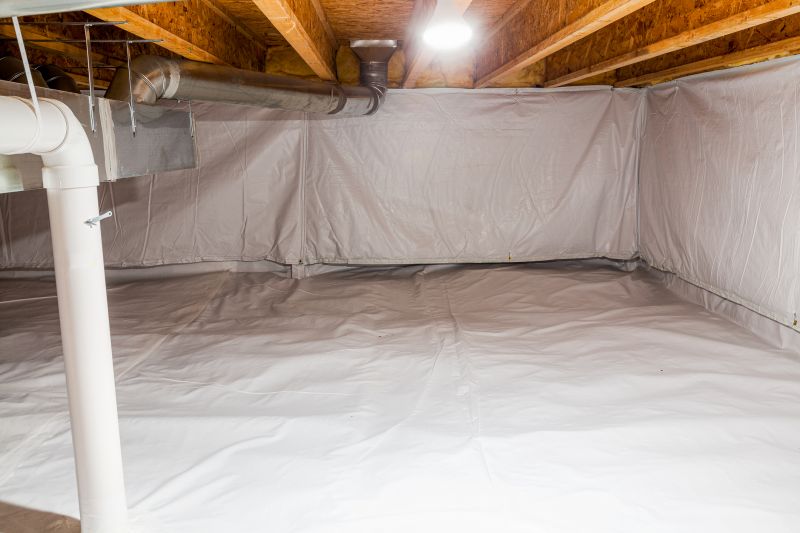
When selecting a vapor barrier installation service, it’s important to consider the experience of local contractors. Homeowners should look for providers who have a proven track record in installing vapor barriers, ideally with several years of hands-on work in the community. Experienced pros are more likely to understand the specific challenges of different foundation types and moisture conditions, helping to ensure the job is done correctly and efficiently. Gathering information about their past projects and the types of properties they’ve worked on can provide insight into their familiarity with local building conditions.
Clear communication and well-defined expectations are crucial when working with a vapor barrier installer. Reputable service providers typically discuss the scope of work, materials used, and any necessary preparation steps upfront. Homeowners should seek out pros who are transparent about their processes and willing to answer questions, ensuring that both parties have a shared understanding of the project. Written estimates or agreements can serve as helpful references that outline what will be done, reducing potential misunderstandings later on.
References from previous clients and a reputation for professionalism are key indicators of a reliable vapor barrier installation service. Homeowners are encouraged to ask for local references or reviews to gauge the quality of work and customer satisfaction. Effective communication throughout the project is also essential, allowing homeowners to stay informed about progress and address any concerns promptly. It’s important to remember that this platform introduces local options and is not a contractor; it’s designed to connect homeowners with qualified professionals in their area who can meet their vapor barrier needs.
Property owners in Dakota County, MN use Vapor Barrier Installation services for practical projects around their homes and businesses. The sections below highlight everyday jobs and straightforward project options.
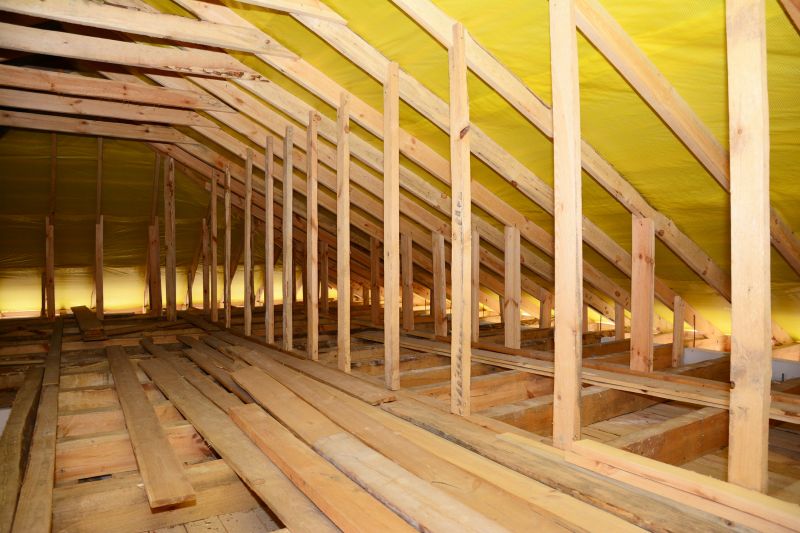
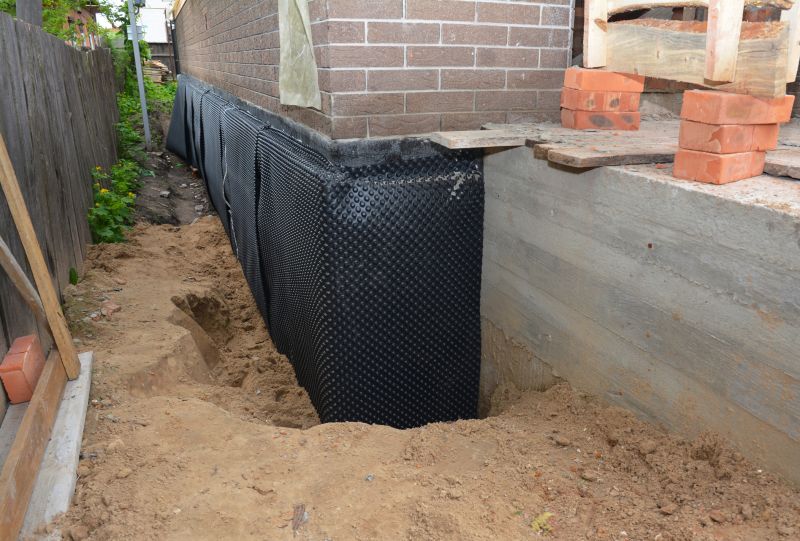
Vapor barrier installation is often sought after by property owners in Dakota County, MN, who are looking to improve the durability and energy efficiency of their homes. Moisture control is essential in areas such as basements, crawl spaces, and unfinished garages, where excess humidity can lead to mold growth, wood rot, and increased heating and cooling costs. Local service providers can assess the specific needs of each property and recommend appropriate vapor barrier solutions to help maintain a healthier indoor environment.
Homeowners facing issues with dampness or water intrusion may also consider vapor barrier installation as a preventative measure. Properly installed barriers can reduce moisture vapor from seeping through floors and walls, which is especially important in Minnesota’s climate. Local contractors are available to evaluate existing conditions and provide tailored installation services to help protect properties against ongoing moisture problems and improve overall comfort.
What is a vapor barrier? A vapor barrier is a material installed to prevent moisture from passing through walls, floors, or ceilings, helping to control humidity levels.
Where are vapor barriers typically installed? Vapor barriers are commonly installed in basements, crawl spaces, and under concrete slabs to reduce moisture infiltration.
What materials are used for vapor barriers? Common vapor barrier materials include polyethylene plastic sheeting and specialized vapor retardant membranes.
How long does vapor barrier installation usually take? The duration depends on the area size and complexity, but generally, installation can be completed within a day or two by local service providers.
Why should I hire a professional for vapor barrier installation? Professional installers ensure proper placement and sealing, which is essential for effective moisture control and long-term performance.
Vapor Barrier Installation Services - Professionals can assess your space to determine the appropriate type and placement of vapor barriers for optimal moisture control.
Vapor Barrier Installation Services - Experienced contractors ensure proper sealing and installation techniques to prevent mold and structural damage caused by excess moisture.
Vapor Barrier Installation Services - Local pros provide solutions tailored to basements, crawl spaces, and other areas prone to moisture issues, enhancing indoor air quality.
Vapor Barrier Installation Services - Contacting specialists can help identify areas where vapor barriers are most needed and ensure correct installation for long-lasting results.
Considering Vapor Barrier Installation for a property in Dakota County, MN? The sections above highlight common project types, practical options, and details that often shape the scope of work.
When you are ready, use the quote form to share a few details about your project. Local pros can review the basics and respond with options that match what you have in mind.